
The Versatility of Synthetic Leather: A Comprehensive Guide
Release Date:
2026-06-21 09:40
One of the primary advantages of synthetic leather is its ethical appeal. As a cruelty-free alternative, it eliminates the need for animal hides, making it a favored choice for those concerned about animal welfare. This aspect is particularly significant in today's market, where consumers are increasingly seeking sustainable and humane options for fashion and upholstery.
In addition to ethical considerations, synthetic leather is highly durable and resistant to wear and tear. It is less prone to damage from moisture, stains, and UV exposure compared to genuine leather, making it an excellent choice for products that require longevity and maintenance ease. This durability translates to lower costs over time as synthetic leather products can withstand everyday use without showing signs of aging as quickly as their natural counterparts.
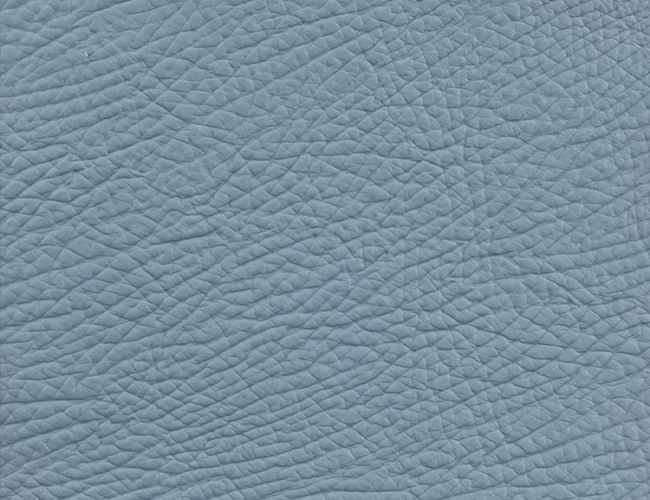
Another benefit of synthetic leather is its versatility in design. Available in a wide array of colors, textures, and finishes, it allows designers and manufacturers to create innovative products that cater to diverse tastes and preferences. From fashion items like jackets, handbags, and shoes to home furnishings such as sofas and cushions, synthetic leather adapts effortlessly to various styles and applications.
Moreover, the manufacturing process of synthetic leather can be more environmentally friendly compared to traditional leather tanning processes, which often involve toxic chemicals. While the production of synthetic leather does have its environmental impacts, advancements in technology are leading to more sustainable practices in its creation. Biodegradable options are also emerging, providing even greener alternatives for eco-conscious consumers.
In conclusion, synthetic leather presents a compelling option for those looking for a material that combines style, function, and ethical considerations. Its durability, low maintenance, and wide range of design possibilities make it an attractive choice for numerous applications in the textile and leather industry. Whether you're a consumer seeking fashionable yet sustainable products or a manufacturer looking to innovate in your designs, synthetic leather could be the perfect solution to meet your needs.
Previous post
Previous post
Related News

21
2026-06
The Versatility of Synthetic Leather: A Comprehensive Guide
Synthetic leather, often referred to as faux leather or artificial leather, has gained immense popularity in recent years due to its versatility and practicality. Made from a variety of materials, including polyurethane (PU) and polyvinyl chloride (PVC), synthetic leather replicates the look and feel of genuine leather while providing a range of benefits that appeal to both consumers and manufactu
14
2026-06
The Science Behind Vegan Leather: Materials and Sustainability
The Science Behind Vegan Leather: Materials and Sustainability Table of Contents 1. Understanding Vegan Leather: A Brief Overview 2. The Materials Used in Vegan Leather Production 2.1. Polyurethane (PU) Leather 2.2. PVC Leather: A Closer Look 2.3. Natural Alternatives: Cork, Pineapple, and More 3. The Environmental Impact of Traditional Leather vs. Vegan Leather 3.1. Water Usage and Pollution 3.2.

07
2026-06
Understanding Recycled PU Leather: A Sustainable Choice for Modern Textiles
Recycled PU leather, also known as reconstituted or regenerated polyurethane leather, represents a significant advancement in the textile and leather industry. It is manufactured by repurposing waste materials and leftover scraps from the production of traditional polyurethane leather. In this way, recycled PU leather not only reduces the environmental impact of textile production but also contrib

Contact Us
No.13A-16, Middle Zone, Shiling International Leather Market, Huadu District Guangzhou City,510850 Guangdong Province,China
Follow us


Subscribe to Honglu
Subscribe to the Honglu mailing list to receive the latest updates on new arrivals, special offers, and other discounts.